
Add Row
Add Element
cleaners edge logo
update

Cleaners Edge

From Van to Victory - Helping Pros Clean Up
update
Add Element
  • Home
  • Categories
    • Business & Marketing
    • Technical Skills & How-To
    • Equipment & Product Reviews
    • Industry News & Events
    • Operator Success Stories
    • Training & Certification
    • Business Tools & Technology
    • Consumer Education
  • Profiles
August 16.2025
3 Minutes Read

Unlocking the Secrets: How to Remove Jolly Rancher Stains From Carpets

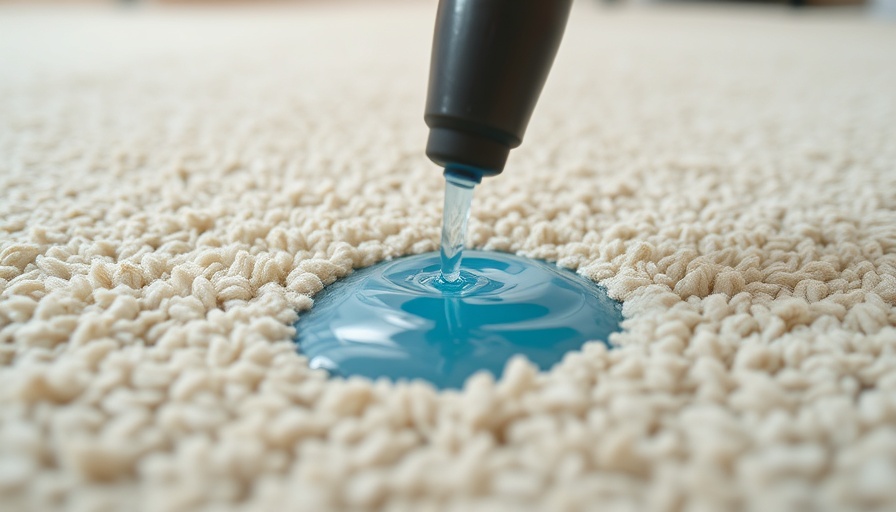
Removing Jolly Rancher stains from carpets with foam cleaner.

Can Candy Cleaning Transform Carpet Care?

If you’ve ever indulged in Jolly Ranchers, you know that these brightly colored candies can add sweet joy to any day. However, did you know they could also unwittingly cause chaos for your carpets? Imagine this: a dropped Jolly Rancher, followed by a sticky, colorful mess that seems impossible to remove. Traditional methods of carpet cleaning might not cut it. So, is there a better approach to chocolate-covered confessions, gummy disasters, or sweet spills?

What Makes Candy Stains Unique?

Carpet stains from candy, especially sticky ones like Jolly Ranchers, can pose a unique challenge. These sugary treats contain dyes that, if not addressed promptly, can embed themselves deep into the carpet fibers. Understanding what you're dealing with can empower you to tackle these stains effectively. The chemistry behind the dyes used in candies often means the longer you wait, the tougher it becomes to clean.

Practical Tips for Candy Cleanup

To tackle the sticky aftermath of candy spills, here are some actionable insights:

  • Act Quickly: As with any spill, immediate action can save you hours of scrubbing later. Blot the area with a clean cloth to soak up excess stickiness.
  • Use Warm Water: Dampen a cloth with warm (not hot) water and gently dab the stained area. Avoid rubbing, as this can spread the stain and worsen the problem.
  • DIY Cleaners: Create a solution using equal parts vinegar and water. Spray lightly onto the stain, let it sit for a few minutes, and then blot. The vinegar helps break down the sugar without harming your carpet.

Understanding Carpet Fiber Types

Different carpets respond uniquely to cleaning techniques. For instance, synthetic fibers like nylon and polyester might handle water-based cleaners well, while natural fibers might require gentler methods. Knowing your carpet type can significantly influence your cleaning strategy. Always perform a spot test in an inconspicuous area to ensure the cleaning solution won't damage your carpet.

Beyond Candy: The Bigger Picture in Carpet Care

While Jolly Ranchers may present a fun yet sticky challenge, they are just one of many dilemmas carpet owners face. Regular maintenance, such as vacuuming and professional steam cleaning, is essential in preventing stains from embedding in the fibers.

As we consider healthier living, it's crucial to focus not only on what we consume but also on how we maintain our environments. Regularly cleaning carpets can contribute to better indoor air quality and overall well-being.

Emotional Insights: The Joy of Clean Carpets

Imagine stepping onto a clean carpet after a long day—there’s nothing quite like it. Clean carpets bring comfort and peace of mind, letting you focus on creating joyful memories in your space. Keeping your carpets clean means maintaining the atmosphere of your home, allowing you to enjoy the little things.

So, the next time a Jolly Rancher finds its way to the floor, remember these tips on candy stain solutions. With understanding and a bit of dedication, you can keep your carpets looking delightful and your living spaces welcoming.

Consumer Education

3 Views

0 Comments

Write A Comment

*
*
Related Posts All Posts
02.24.2026

Discover How to Clean Upholstery Like a Pro: Expert Tips and Insights

Update Master the Art of Cleaning Upholstery at Home Keeping your upholstered furniture clean can sometimes feel like an uphill battle, especially with pets and children around. Upholstery serves as a focal point in most homes but often gets overlooked for regular cleaning. In this article, we will explore some professional tips and methods to help you achieve that freshly-cleaned look, all from the comfort of your own home. Understanding Your Upholstery Material Before diving into cleaning methods, it’s crucial to understand the different types of upholstery you may have. Each type—whether it’s synthetic, leather, or cotton—comes with its own set of cleaning guidelines. Synthetic Fiber Upholstery: These materials, like polyester or nylon, are durable and stain-resistant but still require regular care. Vacuuming weekly helps in preventing dust buildup. Leather: Leather upholstery is beautiful but delicate. It needs a gentle cleanser and a conditioner to maintain its quality. Regular dusting and immediate attention to spills can prolong its life significantly. Cotton and Wool: These fabrics require extra attention as they can absorb spills easily. Utilize soft brushes for vacuuming and steam cleaning with caution to remove stains without damage. Professional Cleaning Methods Revealed Even though DIY methods can work wonders, sometimes the best solution is to turn to professionals. They have the expertise and equipment necessary to tackle tough stains and deep-seated dirt. For instance, Upholstery cleaners often use steam cleaning techniques that involve powerful extraction equipment. This method allows for deeper penetration into fabric, removing dirt effectively without soaking the upholstery in moisture—preventing mildew. Top Tips for Maintaining Upholstered Furniture The key to prolonging the life of your furniture is consistent maintenance. Here are some additional pointers: Frequent Vacuuming: Use a high-quality vacuum attachment to clean upholstery at least once a week. Read Care Labels: Always check the care label for specific cleaning instructions. Labels will often include helpful codes indicating the appropriate cleaning methods. Act Quickly on Stains: Address spills immediately with a soft cloth, blotting rather than rubbing the area to prevent further damage. Avoid Excess Moisture: Too much water can damage upholstery and lead to mold growth. Always dry clean or lightly mist any fabric. The Importance of Professional Help Sometimes, despite your best efforts, deep cleaning is needed to maintain your upholstery's original charm and comfort. Professional upholstery cleaners bring not just trained knowledge but advanced techniques that can clear pesky stains, unpleasant odors, and allergens in ways that household cleaning may not. In summary, by understanding the specific needs of your upholstery, employing regular cleaning routines, and knowing when to call in professionals, you can ensure your furniture remains inviting and resilient for years to come. Want to give your furniture the care it deserves? Don’t hesitate to reach out to professional cleaning services in your area and let them help refresh your upholstery.

02.22.2026

Discover Why Scotchgard Protects Your Home Fabrics Effectively

Update Why Scotchgard May Be the Ultimate Addition to Your Home When it comes to maintaining the comfort and aesthetic appeal of our homes, protecting our furniture and textiles from spills, stains, and everyday wear is essential. Enter Scotchgard, a trusted brand renowned for its fabric and upholstery protection solutions. But is Scotchgard really worth the investment? Here’s what you need to know. The Science of Scotchgard: How It Works Scotchgard forms an invisible barrier on fabric fibers, repelling liquids and preventing stains from setting in. This feature is particularly valuable for busy households where accidents are bound to happen. Whether it's a spilled drink, a splattered sauce, or muddy paw prints, Scotchgard gives you an extra moment to clean up the mess before it becomes permanent. Tested and Approved by Experts In evaluations conducted by fabric protection specialists, Scotchgard Fabric Water Shield consistently ranks at the top among its competitors. A recent hands-on test showcased its impressive ability to repel common stains such as coffee, wine, and ketchup. Treated fabrics performed significantly better than untreated ones, demonstrating Scotchgard's effectiveness as a reliable fabric protector. What Fabrics Can You Safely Treat? Scotchgard is versatile enough for various textiles, including upholstery, table linens, and even delicate fabrics like silk. However, it is not safe for every material; specifically, it should not be applied on leather or certain types of velvet. This makes it important for consumers to check fabric labels before application to avoid any unintended damage. Pros and Cons of Using Scotchgard Like any product, using Scotchgard has its advantages and disadvantages. On the plus side, it extends the lifespan of your upholstery, reduces the frequency of professional cleaning, and preserves the original look of fabrics. However, some users have noted that the product can alter the color of certain textiles, making them appear darker. Additionally, the application process requires proper ventilation due to its strong odor. Most importantly, after laundering, Scotchgard must be reapplied, as its protective properties diminish with washing—a factor to consider for items that see regular cleanings. Long-term Investment for Everyday Life Considering the long-term savings on cleaning and repair, Scotchgard is a wise investment for households that want to maintain their furnishings in pristine condition. Its ability to make cleaning easier and prolonging the life of your furniture can outweigh its drawbacks, making it a reliable choice for anyone wanting to significantly enhance their fabric care routine. Conclusion: Is Scotchgard Worth It? For those considering fabric protection, Scotchgard offers proven benefits that are hard to ignore. From preventing stains to prolonging the life of your cherished upholstery, it provides a layer of defense that makes everyday living a little easier. If you’re ready to protect your investments in a stylish, functional way, Scotchgard might just be the perfect addition to your home.

02.20.2026

Easily Remove Tarnish From Silver With These Proven Methods

Update Reviving Your Silverware: Quick and Easy Methods Over time, silverware can lose its luster and develop a dull, tarnished appearance. Fortunately, there are numerous effective ways to restore shine without the need for expensive commercial cleaners. The following methods not only simplify the cleaning process but also utilize common household items you likely already have on hand. The Chemical Dance Behind Tarnishing Before diving into cleaning methods, it’s essential to understand what causes tarnish. The tarnishing of silver results primarily from a chemical reaction with sulfur compounds in the air and other household items. As silver reacts with these compounds, it forms silver sulfide, which manifests as that unsightly dark coating. Five Simple Ways to Clean Tarnished Silver Based on various tested methods, here are five of the most effective ways to clean tarnished silver. Each method brings its unique technique to the table, often involving just a few minutes of preparation: Baking Soda and Vinegar Method: Line a dish with aluminum foil, and mix one tablespoon of baking soda, one tablespoon of salt, and half a cup of distilled white vinegar with one cup of boiling water. Submerge your tarnished silverware for about five minutes, rinse, and dry with a microfiber cloth. This method earned high ratings for efficiency. Toothpaste Technique: Using a simple white toothpaste can effectively remove tarnishing. Apply it directly to the silverware and buff it away with a cloth. Interestingly, this method works because of the mild abrasives in the toothpaste, although it might require a bit more elbow grease compared to others. Aluminum Foil and Laundry Detergent: Another popular method involves lining a bowl with aluminum foil and mixing in laundry detergent with boiling water. Let the tarnished silver sit in the solution for a few minutes. This method may not be as effective as the previous two but can be quicker for larger sets of silver. Commercial Silver Cream: While not the most accessible option, many people prefer using a specialized silver cream for tarnish removal. It does deliver impressive results but requires additional polishing. Soapy Water Method: A basic mixture of dish soap and warm water can be used for lightly tarnished silver. Dunk a microfiber cloth in soapy water to rub the tarnished areas gently. Practical Tips for Silver Care Maintaining your silverware doesn’t have to be a chore! Here are a few practical tips to help keep your silver looking fantastic: Store silver pieces in a felt-lined container to reduce exposure to air and moisture, which can accelerate tarnishing. Avoid storing silver next to items that contain sulfur, such as rubber bands and certain foods. Clean silver less frequently, as excessive polishing can strip away its finish over time. Your Go-To Methods for All Occasion Whether you’re preparing for a special dinner party or just want to make your everyday dining experience more elegant, these cleaning tips can help you keep your silverware in pristine condition. The finest part? Most methods allow you to harness the power of everyday household items to tackle that tarnish effortlessly. By choosing a method that fits your silverware needs, you’ll not only ensure that your silver shines but will also gain satisfaction from the process. Want to learn more about silver care and maintenance? Stay updated and take action to preserve your valuable pieces for generations to come!

Terms of Service

Privacy Policy

Core Modal Title

Sorry, no results found

You Might Find These Articles Interesting

T
Please Check Your Email
We Will Be Following Up Shortly
*
*
*