


Did you know olefin carpets resist stains but can easily suffer damage from harsh cleaning? Learning the right techniques ensures your carpet stays vibrant and durable, saving you costly repairs
Why Cleaning an Olefin Carpet Requires Special Care
Did you know olefin rugs and olefin carpets resist stains but can suffer quick damage from harsh cleaning agents? This section reveals why cleaning an olefin carpet requires care, drawing on expert carpet cleaning insights.
Olefin carpets and olefin rugs look like the ideal choice for busy homes and offices thanks to their significant stain resistance and affordable price. However, these carpets come with unique vulnerabilities: their fibers can suffer permanent harm from common cleaning solutions, excessive heat, or aggressive scrubbing that would be perfectly safe for other types of carpet. Cleaning an olefin carpet with the wrong products or methods can result in issues like fiber distortion, color fading, and accelerated wear. Because olefin reacts differently than nylon or wool, expert-recommended strategies focus on using gentle detergents, cold water, and minimizing moisture—a balance that preserves both the vibrant appearance and the performance of olefin rugs for years to come.
For homeowners and businesses alike, understanding these key differences before you clean an olefin carpet will prevent costly errors and ensure a longer lifespan. Olefin’s tendency to attract oily substances while repelling water-based stains also means the approach to stain removal, deep cleaning, and regular care must be customized. With the information below, you can confidently maintain your olefin carpets without compromising their softness or appearance.

What You'll Learn About Cleaning an Olefin Carpet
The best step-by-step cleaning methods for olefin carpets
How to perform deep cleaning and stain removal on olefin rugs
Do’s and don’ts for safe olefin carpet cleaning
Pro tips for regular maintenance and prolonging carpet life
What Is an Olefin Carpet? Overview and Benefits
Olefin Rug and Olefin Carpet Explained
What is olefin fiber?
Key properties of olefin carpets and olefin rugs
Benefits for household and commercial carpet cleaning needs
Olefin—also known as polypropylene—is a synthetic carpet fiber prized for its durability and stain resistance. Olefin carpets, including olefin rugs, are produced using solution-dyed yarns that inherently resist moisture and most water-based stains. Typically used in both residential and commercial spaces, these fibers are less expensive than nylon or wool, making them popular in busy households, offices, and basements. Unfortunately, the same chemical makeup that blocks certain spills also makes them vulnerable to grease, oil-based stains, and abrasive cleaning practices.
One of the primary benefits of olefin carpets is their colorfastness—because colors are locked in during manufacturing, they're resistant to fading from sunlight and most spills. Additionally, olefin fiber has a low absorbency rate, which speeds up drying times after carpet cleaning and reduces the risk of mold growth. However, olefin can flatten under heavy traffic—especially in styles like olefin berber carpet—and is sensitive to heat and potent chemicals. Understanding these properties is essential to safely clean an olefin carpet, avoid irreparable damage, and maximize your carpet investment.
Understanding the Structure and Challenges of Cleaning an Olefin Carpet
Stain resistance and susceptibility to oil-based stains
How deep cleaning can affect olefin carpets
Common issues: wicking, chemical sensitivity, and color fading
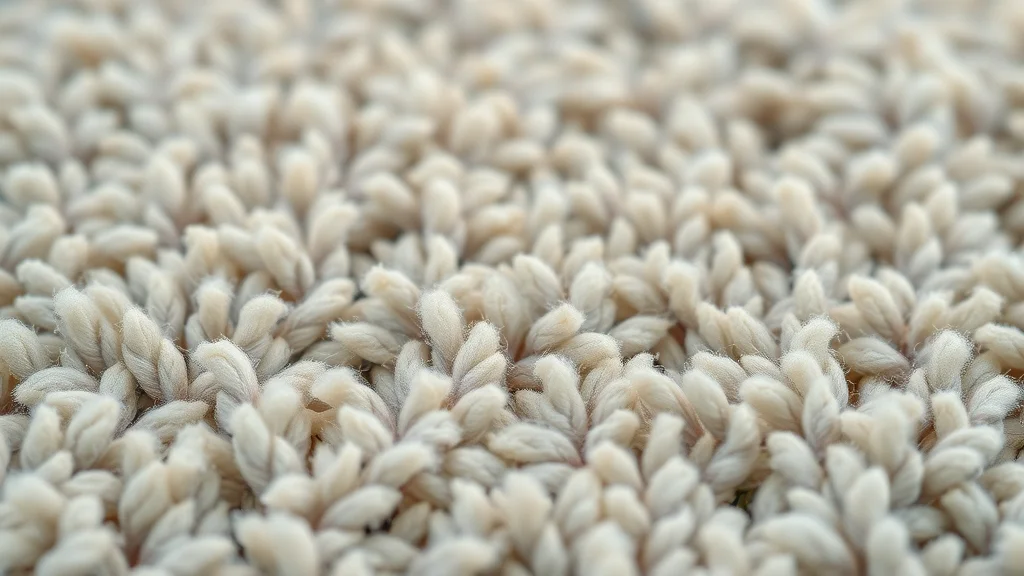
Olefin carpets are unique in that their surface repels water-borne spills but can easily attract and bind to oily substances. While you may breeze through juice or mud stains, grease, cooking oil, and some adhesive residues cling to the surface and resist traditional cleaning. Additionally, the carpet fibers are susceptible to flattening and “matting,” especially in high-traffic areas like hallways and family rooms. The structure of these fibers also increases the risk of wicking—where stains reappear after seemingly successful carpet cleaning—due to rapid moisture migration to the tip of the fiber as it dries.
This means that improper deep cleaning—such as over-wetting, using high heat, or harsh agents—can cause damage including color fading, fiber distortion, and sticky residue build-up. Many carpet cleaning methods suited for nylon or wool will not work with olefin, as they require gentler techniques: cold or lukewarm water, mild pH-neutral detergents, and minimal agitation. Navigating these common cleaning challenges is crucial for homeowners, particularly when considering DIY vs. professional carpet cleaning options. Experienced technicians will understand the special care needed for olefin carpet cleaning and can offer targeted solutions when problems arise.
For those interested in the broader health and maintenance benefits of regular carpet care, exploring the hidden advantages of routine carpet cleaning can provide valuable context for why consistent upkeep is so important, especially for families and high-traffic spaces.
Comparison Table: Olefin Carpet vs. Other Carpet Fibers | ||||
Carpet Fiber |
Durability |
Stain Resistance |
Deep Cleaning Requirements |
Preferred Cleaning Methods |
|---|---|---|---|---|
Olefin (Polypropylene) |
Moderate (good for low-med traffic) |
Excellent (water-based) / Poor (oil-based) |
Low-moisture, gentle, cold/cool water |
Dry cleaning, low-moisture, vacuuming |
Nylon |
High (high-traffic tolerant) |
Good overall |
Can handle more intensive methods |
Steam cleaning, water extraction, dry methods |
Wool |
High (luxury, resilient) |
Moderate (sensitive to stains, needs quick attention) |
Special wool-safe shampoos, cool water |
Hand cleaning, gentle vacuuming, wool-approved agents |
Polyester |
Moderate |
Very good (mostly spill-resistant) |
Handle with gentle detergents |
Dry cleaning, foam cleaning, vacuuming |
Step-by-Step Guide: Cleaning an Olefin Carpet Safely
1. Prep the Area: Getting Ready to Clean an Olefin Carpet
Vacuuming and removing furniture from olefin rugs and olefin carpets
Spot test for colorfastness before any deep cleaning
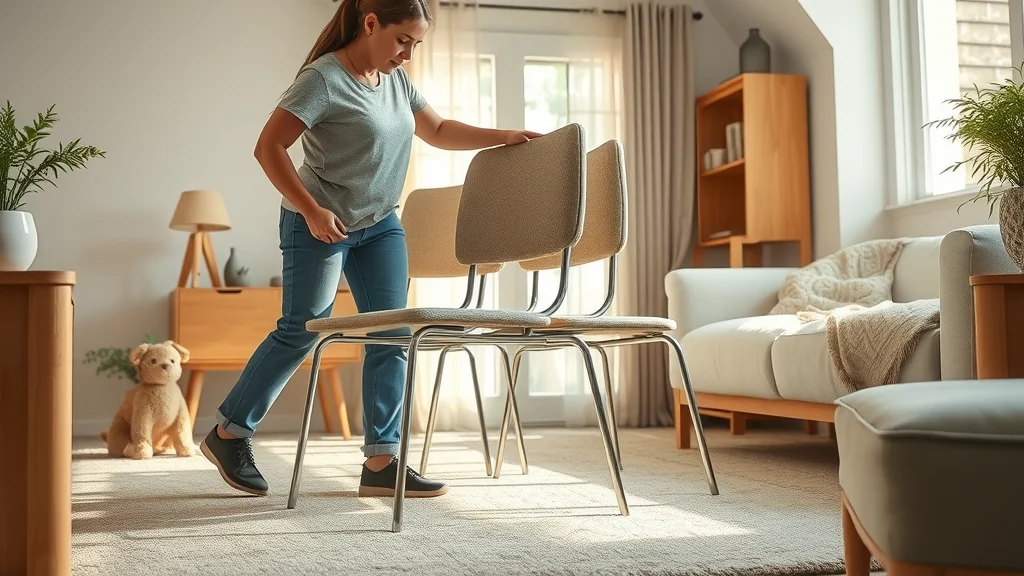
Preparation is the first crucial step in cleaning an olefin carpet effectively. Begin by clearing the room and gently moving furniture off the olefin rug or carpet, taking care to avoid snagging the delicate fibers. Thorough vacuuming with a clean, high-quality vacuum removes dirt, pet hair, and abrasive particles that can act like sandpaper during wet cleaning. It's important to vacuum both directions over the area to lift out all surfaces debris—this prevents leftover particles from embedding further into the carpet fibers during subsequent steps.
Before proceeding with any cleaning solution, perform a spot test for colorfastness in an inconspicuous area. Apply a small amount of your chosen detergent or carpet cleaner and blot gently, checking for color bleed or fiber changes. Because olefin is usually solution-dyed, fading is rare, but testing protects against unexpected chemical reactions—especially if stain treatments or homemade mixtures (like baking soda or essential oils) are used. Once you're assured the cleaning method is safe, you're ready to tackle the surface dirt and address stubborn stains.
2. Surface Carpet Cleaning: The Gentle Approach for Olefin Carpets
Choosing the right cleaning method and cleaning solution
Using a clean olefin-friendly vacuum
Avoiding harsh scrubbing and cleaning agents
Surface cleaning an olefin carpet begins with selecting the optimal low-impact approach. Vacuuming once more ensures loose dirt is removed before introducing moisture. When spot treating, opt for a neutral pH, non-abrasive carpet cleaner or a homemade mix of cool water and a mild detergent; avoid anything bleach-based or highly alkaline. Apply solution with a lightly dampened microfiber cloth or soft-bristle brush, then gently blot—never scrub vigorously, as excess force can crush and distort the olefin fibers.
Steer clear of hot water during carpet cleaning. Unlike some other carpet fibers, olefin is thermoplastic: heat can permanently warp the shape, causing flattening or a shiny finish that can’t be reversed. For frequent cleans, dry cleaning powders, light foam treatments, or encapsulation cleaners designed for synthetic carpets work well, leaving minimal residue and reducing over-wetting risks. Always allow your olefin carpet to dry thoroughly by increasing airflow or using a fan—never force-dry with heat!
"For olefin carpet cleaning, always use mild detergents and cold water. Hot water can distort fibers and set stains." – Professional Carpet Cleaning Expert
3. Deep Clean an Olefin Carpet: Professional Techniques
When to call a cleaning service for deep cleaning
DIY options: Dry cleaning vs. low-moisture carpet cleaning
Deep cleaning tips to avoid fiber damage
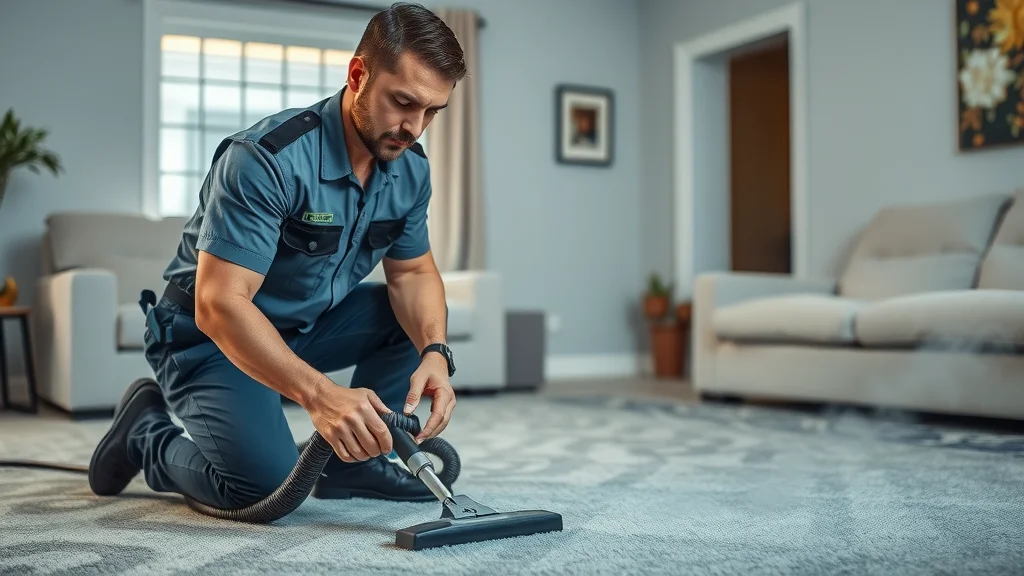
If your olefin carpet has deep-seated stains, lingering odors, or heavy soil after surface cleaning, it may be time for a professional deep clean. Experts recommend calling a certified cleaning service that specializes in olefin rug and olefin berber carpet care. They use specialized equipment and products designed to reduce moisture while gently lifting embedded dirt. For DIYers, consider low-moisture or dry cleaning systems utilizing encapsulating solutions—these crystallize and lift dirt for easy vacuum removal, minimizing the risks of over-wetting and wicking.
When deep cleaning yourself, avoid steam cleaning or water extraction with hot water, as this can cause fiber distortion and trap moisture deep in the carpet fibers. Instead, focus on cold water solutions, thorough vacuuming post-clean, and ensuring complete drying (open windows, fans, or dehumidifiers). In cases of oil-based or stubborn stains, call a professional—incorrect DIY approaches can irreparably harm your investment. When in doubt, always err on the side of gentler, less invasive cleaning methods for your olefin carpets.
How to Remove Stains from an Olefin Carpet
Effective Stain Removal on Olefin Rugs
Targeted carpet cleaning for common stains (oil, dirt, drinks)
Recommended cleaning methods for stain removal
Mistakes to avoid when cleaning an olefin carpet
Successful stain removal on an olefin carpet hinges on fast, careful action. For water-based stains like juice, coffee, or mud, immediately blot the affected area with a dry, white cloth—never rub, as this could drive the spill deeper. Follow up with a solution of cool water and a small amount of gentle detergent, again blotting (not scrubbing) until the stain lifts. For oil-based spills—a special challenge for olefin—treat with a dry cleaning solvent or specialized carpet cleaning powder designed to break down grease, ensuring you don’t saturate the carpet with liquid.
Common mistakes include using bleach, harsh chemicals, or excessive friction, which can alter carpet color permanently and degrade fibers. Always work from the outside in to contain the stain and thoroughly rinse any cleaning solution, then blot dry. If you’re unsure or facing a persistent spot (like pet stains, cooking oil, or adhesive), it’s best to contact a professional carpet cleaner who knows the safest cleaning method for olefin. For regular household needs, having a pH-neutral cleaner, microfiber cloth, and a reliable vacuum on hand makes ongoing stain management much easier.

Common Mistakes When Cleaning an Olefin Carpet
Using too much water during deep cleaning
Applying bleach or harsh chemicals
Over-brushing and damaging olefin carpet fibers
Avoid these frequent mistakes to extend the life and beauty of your olefin carpets: First, never over-wet the surface during deep cleaning; slow drying and moisture retention can lead to wicking or mildew. Second, do not use bleach or overly strong cleaning agents—as tempting as it may be for tough stains, these chemicals can destroy the carpet’s color and fiber structure. Third, avoid aggressive brushing or scrubbing, which will mat down the thermoplastic fibers and cause visible wear. By sticking to gentle, professional advice and suitable products, you’ll keep your carpet in top condition.
Additionally, using high-temperature equipment and failing to dry the carpet thoroughly can cause both physical and invisible damage, including warping and lingering odors. When in doubt, less is more: gentle techniques often outperform strong-armed interventions with olefin fiber. Always read the label on cleaning products to ensure compatibility with olefin berber carpet or your specific type of carpet.
Essential Cleaning Methods and Maintenance Tips for Olefin Carpets
Routine vacuuming and cleaning methods for olefin carpets
Prolonging the lifespan of olefin rugs
When to consider professional carpet cleaning services
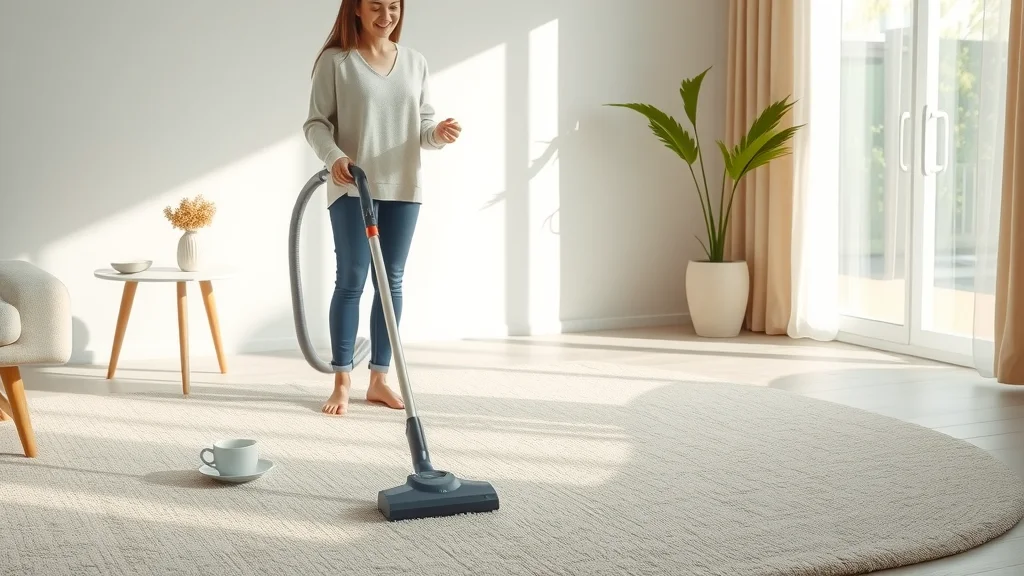
Maintaining the look and feel of your olefin rug or olefin carpet is simple with regular upkeep. Begin with consistent vacuuming—a minimum of once per week in low-traffic areas and several times a week where people or pets are active. For best results, use a vacuum with a beater-bar or brush roll that won’t snag the loops if you have olefin berber carpet. Immediate attention to spills and stains keeps your carpet looking vibrant, and integrating occasional spot cleaning with mild solutions maintains freshness and prevents build-up of oils or residue.
Once every 12–18 months (or more often if needed), schedule a professional carpet cleaning using low-moisture or dry-cleaning methods tailored for olefin. This ensures deep-set dirt is removed without exposing the fibers to damaging moisture or heat. Simple steps like rotating furniture, placing mats at entryways, and removing shoes will also maximize the life of your olefin carpets, preserving both softness and style for years to come.
Instructional video demonstrating the process of cleaning an olefin carpet safely, including vacuuming, spot cleaning, and low-moisture/low-heat techniques, with close-up shots of tools, gentle hands, and product application.
Visual deep cleaning demonstration featuring professional technicans using olefin-safe methods for best results.
People Also Ask: Expert Answers on Olefin Carpet Cleaning
How do you clean Olefin carpet?
Vacuum regularly, spot clean with mild solutions, and deep clean using low-moisture methods to safely clean an olefin carpet.
How to clean 100% Olefin?
Gently vacuum, use a neutral pH carpet cleaning agent, blot stains promptly, and never use heat on 100% olefin.
What are the disadvantages of Olefin?
Prone to oil-based stains, susceptible to matting, and can be damaged by heat or harsh chemicals during carpet cleaning.
How to clean 100% polypropylene carpet?
Vacuum frequently, use cool water and mild detergents for stain removal, and avoid over-wetting to protect polypropylene fibers.
Advanced Tips for Cleaning an Olefin Carpet
Eco-friendly solutions for olefin carpet cleaning
DIY and professional cleaning methods comparison
Safe drying techniques after carpet cleaning
For those seeking environmentally conscious solutions, try plant-based detergents or a mixture of baking soda and water for spot cleaning. These alternatives are less likely to leave residues and harsh odors. Compare DIY cleaning—which offers convenience and cost savings—to professional carpet cleaning, which provides advanced equipment and expert knowledge for especially tough stains or high-traffic homes. Regardless of method, safe drying is key: open windows, use fans, or a dehumidifier. Avoid sunlight or heaters directly on the carpet, as heat can damage the thermoplastic fibers and alter carpet appearance.
If you’re sensitive to chemicals, combining essential oils with baking soda can offer a fresh scent—just be sure to spot-test and use in moderation, as oils can sometimes leave marks on olefin’s surface. However you choose to clean olefin, remember that less is often more: minimal moisture, gentle agents, and patience deliver the best and safest results for your valuable carpet investment.
Frequently Asked Questions: Olefin Carpet Cleaning
Can you use steam cleaners on olefin carpets? It's not recommended—olefin fibers distort with heat. Use low-moisture techniques instead.
What are the best carpet cleaning solutions for olefin rugs? Neutral pH, non-bleach, and dry cleaning powders work best.
How often should an olefin carpet be deep cleaned? Every 12–18 months, or more frequently if you have heavy traffic or pets.
Key Takeaways: Cleaning an Olefin Carpet for Durability and Beauty
Always use gentle carpet cleaning methods on olefin carpets
Deep clean an olefin carpet only as recommended to prevent damage
Immediate stain removal is crucial for olefin rugs
If you’re looking to elevate your entire approach to home or office cleanliness, consider how a well-structured cleaning routine can impact not just your carpets, but the overall health and comfort of your environment. Discovering strategies for building a cleaning system that clients and families truly value can inspire new habits and advanced techniques. Whether you’re a homeowner seeking a healthier space or a business owner aiming for lasting client satisfaction, exploring these broader insights will help you create a cleaner, more inviting atmosphere—one that goes beyond spotless carpets to deliver lasting peace of mind.
Ready to Protect Your Olefin Carpet? Get a Free Quote from Local Professionals Today!
Want to safeguard and renew your olefin carpet the professional way? Connect with a trusted carpet cleaning company for a free consultation—and keep your floors looking fresh and resilient for years to come.


Write A Comment